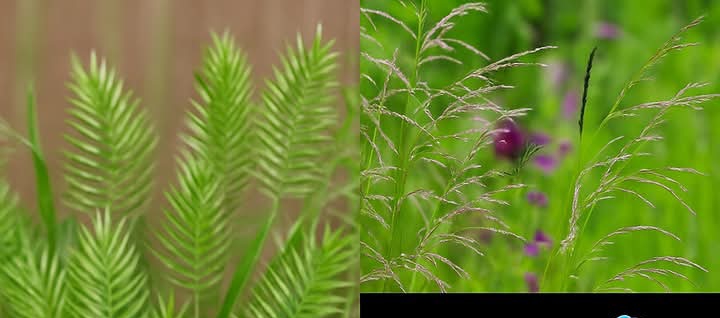
1. Natural Erosion ControlStubborn grasses like Bermuda or crabgrass grow thick and fast, building an underground network of roots that bind the soil together. Planting them on hillsides, slopes, or flood-prone areas helps hold the ground firm—even under heavy rain. Instead of buying expensive landscaping solutions, let nature do the job.🐄 2. Free, Nutritious Livestock FeedSome of these grasses—especially Bermuda and Johnson grass—are rich in nutrients for cattle, sheep, and goats. If you’ve got unused land where wild grass is thriving, consider letting it grow for hay. It cuts down feed costs while offering a natural, chemical-free diet for animals.🪵 3. Green Mulch for Garden BedsWhy waste time buying mulch when you can turn stubborn grass into it? Just cut it down and place it around your garden plants. It prevents weeds, traps moisture, and eventually breaks down into nutrient-rich compost. It’s free, eco-friendly, and keeps your soil healthy year-round.♻️ 4. A Powerful Compost IngredientThese grasses are nitrogen-rich, making them a perfect “green” layer for composting. When paired with dried leaves or shredded paper, they help accelerate decomposition and boost the quality of your compost. Just make sure seeds are destroyed during the process to prevent surprise sprouting later on.🌿 5. Natural Weed Control Using AllelopathySome grasses release compounds into the soil that suppress the growth of other plants—a phenomenon known as allelopathy. While this might sound like bad news for your flower beds, it’s a gift in disguise. Use these grasses to create natural weed barriers around your vegetable plots or garden borders, reducing the need for herbicides.⚡ 6. A Source for BiofuelStubborn grasses like switchgrass have been studied for their potential in renewable energy. These fast-growing plants can be converted into bioethanol, offering an eco-friendly alternative to fossil fuels. If cultivated intentionally, they could be part of a future where wild grasses help power our homes and vehicles.🎨 7. Crafting Material for Traditional HandicraftsIn many cultures, durable grasses have been used to weave baskets, hats, mats, and decorative items. Their fibrous texture makes them easy to work with and surprisingly sturdy. Harvesting stubborn grass for crafts not only recycles yard waste but also keeps traditional arts alive.🌾 8. Patch Repair for Your LawnBald spots on your lawn can be frustrating and expensive to fix. But certain stubborn grasses like crabgrass grow quickly and fill in gaps naturally. While they may not be your first choice aesthetically, they’ll keep your yard green and stop soil erosion, especially in high-traffic areas.🦉 9. Habitat for WildlifeLeaving some patches of wild grass untouched creates a haven for birds, bees, butterflies, and small mammals. The dense cover offers shelter, and many grass seeds serve as food for local wildlife. In an age of shrinking biodiversity, even your backyard can become a safe space for nature to thrive.🌱 10. Ancient Medicinal WisdomIn traditional systems like Ayurveda, even grasses have healing roles. For instance:Bermuda grass has been used to treat wounds, reduce inflammation, and promote skin healing.Lemongrass, while not typically labeled stubborn, is a hardy plant that supports digestion and reduces pain.
What If That Annoying Grass in Your Yard Is Actually a Hidden Treasure